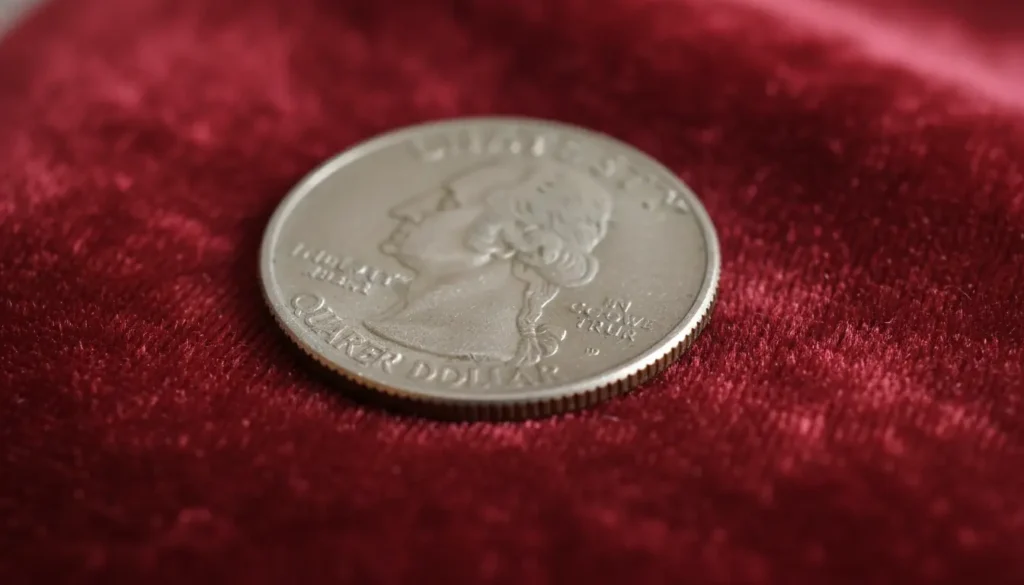
The idea that a common coin in a pocket might be worth $1 million grabs attention. The 1975-1976 Bicentennial Quarter is familiar to many collectors and casual finders. This article gives a practical, step-by-step look at whether any Bicentennial Quarter could realistically reach that value and how to check your coins.
What is the Bicentennial Quarter?
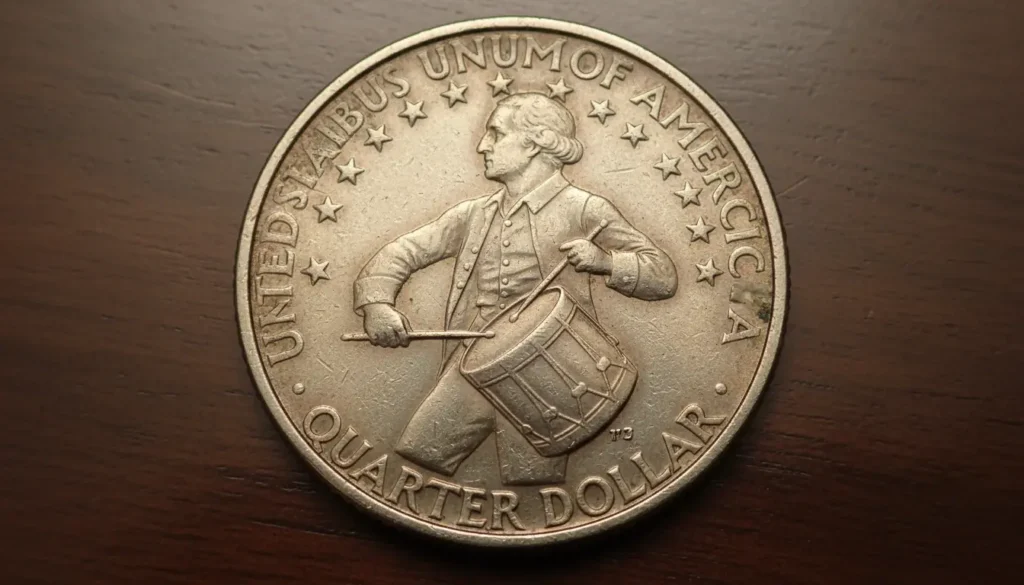
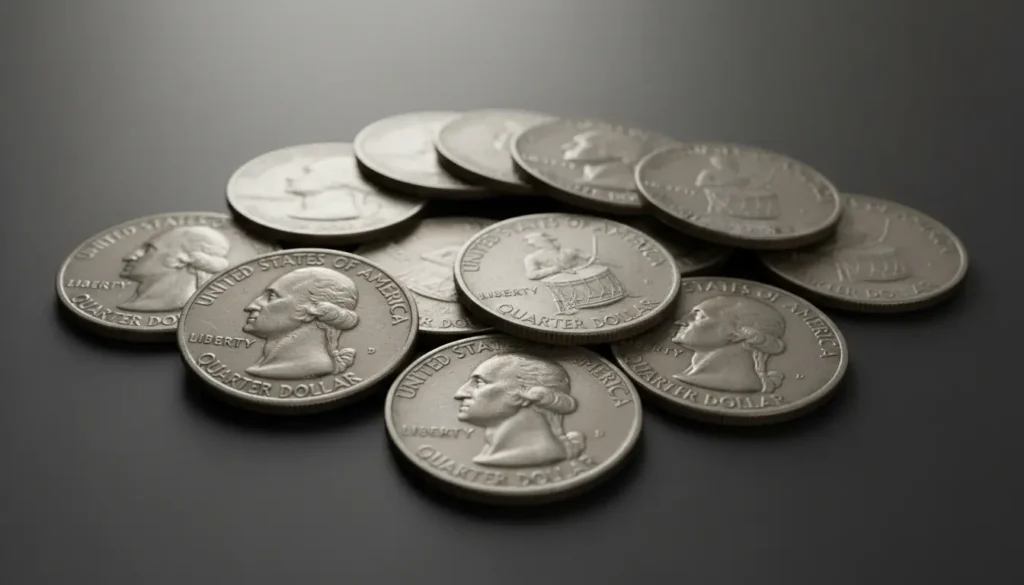
The Bicentennial Quarter was issued in 1975 and 1976 to celebrate the 200th anniversary of the United States. It has a special reverse design showing a colonial drummer and a torch encircled by 13 stars. Most were produced in standard copper-nickel clad composition.
Some Bicentennial quarters were struck as proofs or in silver for special sets. These distinctions affect value, but most circulated examples remain low value.
Could your Bicentennial Quarter be worth $1 million?
Short answer: almost certainly not. No widely documented sale shows a Bicentennial Quarter reaching $1 million. Most values for common Bicentennial quarters are modest unless the coin has exceptional attributes.
That said, rare varieties, major mint errors, top-grade survivors, or coins with exceptional provenance can command high prices in the coin market. But those sales are the exception and typically involve older, rarer dates than the 1976 quarter.
Why a million is unlikely for a Bicentennial Quarter
- High mintage: Millions of Bicentennial quarters were produced, reducing rarity.
- Common composition: Most are copper-nickel clad rather than rare metal mixes.
- Modern era: Coins from later 20th century usually need extreme errors or perfect grading to reach huge prices.
What can increase the value of a Bicentennial Quarter?
Some factors that raise value include mint errors, silver composition, exceptionally high condition, unique provenance, and rarity of a specific die variety.
- Silver proofs and special silver strikes are more valuable than circulation strikes.
- Major errors such as broadstrikes, off-center strikes, or dramatic double dies can draw collector interest.
- Grading: a certified MS70 or PR70 coin is more valuable than the same coin in lower grade.
How to check your Bicentennial Quarter
Follow these practical steps to evaluate a quarter you find in a pocket or jar. Use no special tools at first—just careful observation.
- Look at the date: Confirm 1776-1976 on the obverse. The dual date marks the Bicentennial issue.
- Identify the reverse design: It should show the drummer and torch design used for the Bicentennial.
- Check the edge: Most are clad with a visible seam; silver proof pieces will differ in tone and weight.
- Examine for errors: Look for off-center strikes, doubled devices, or missing elements.
- Assess condition: Scratches, wear, and luster affect grade. Compare to online photos of graded examples.
Practical tools and next steps
If you see a potential error or unusually sharp coin, use these next steps to confirm value.
- Magnification: Use a 10x loupe to inspect details and die marks.
- Scale: A precise scale helps check for silver pieces by weight.
- Reference books and online databases: Sites like PCGS and NGC list values and varieties.
- Get a second opinion: Take the coin to a reputable coin dealer or local coin club.
The Bicentennial Quarter used the dual date “1776 1976” on the obverse to mark America’s bicentennial. The reverse designer was Jack L. Ahr, and millions of these quarters were issued for circulation and special proof sets.
Real-world example: A modest but telling case study
A collector brought a Bicentennial quarter to a regional coin show after spotting odd doubling on the reverse rim. The dealer inspected the coin and recommended third-party grading. After certification, the coin sold at a local auction for several thousand dollars, well above face value but far from a seven-figure sum.
This example shows two points: errors and certification can increase value significantly, but even notable modern errors rarely reach astronomical prices.
Selling and grading tips for Bicentennial Quarter owners
Follow this checklist if you think you have a valuable Bicentennial Quarter.
- Do not clean or polish the coin. Cleaning reduces collector value.
- Document provenance if available: where and how you found it.
- Use reputable grading services (PCGS, NGC) if the coin appears exceptional.
- Shop around with multiple dealers or auction houses for the best result.
Conclusion
While the headline possibility of a Bicentennial Quarter being worth $1 million is extremely unlikely, some Bicentennial quarters can be worth hundreds or thousands depending on errors, silver content, and condition. A careful inspection, use of reference tools, and professional grading are the practical steps to determine whether a find is valuable.
If you find a Bicentennial Quarter that looks unusual, document it, avoid cleaning it, and seek a reputable opinion. Most finds will be worth modest premiums, but occasionally a rare piece surprises a careful finder.