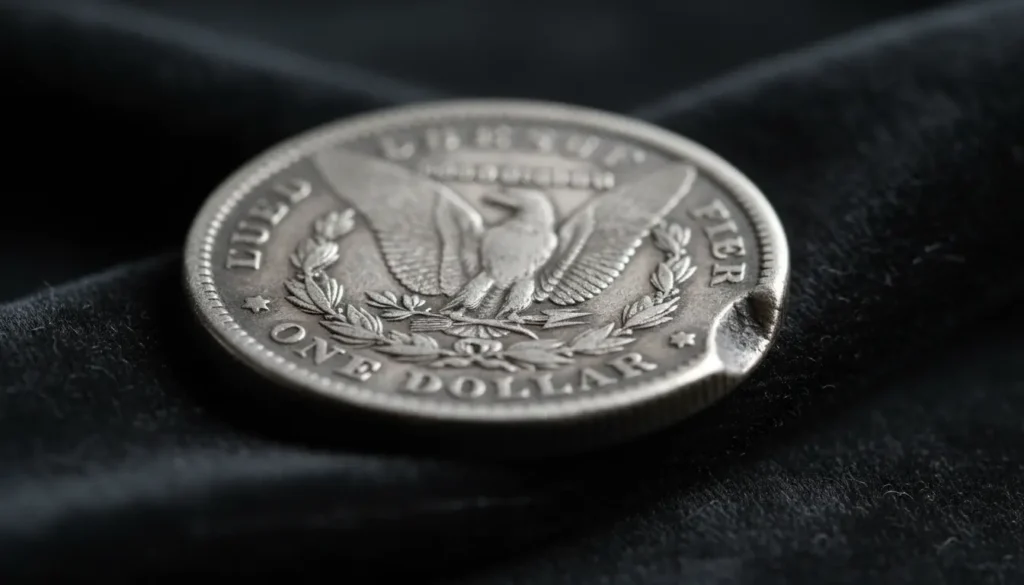
Finding an unusual mark or strike on a coin can spark excitement, but not every oddity is valuable. This guide explains practical signs that indicate you may be holding a genuine, valuable coin error and what to do next.
Key Signs You’re Holding a Valuable Coin Error
True error coins show production mistakes caused during striking or planchet preparation. Look for features that are consistent with minting problems rather than post-mint damage or circulation wear.
Errors that occur during production are the ones most often sought by collectors and can command higher prices when rare or dramatic.
Common Error Types to Recognize
Knowing common categories helps you separate collectible errors from ordinary damage. Common types include die errors, striking errors, and planchet errors.
- Die errors: doubled dies, die cracks, die chips, and cud marks.
- Striking errors: off-center strikes, broadstrikes, and multiple strikes.
- Planchet errors: clipped planchets, wrong planchet metal, lamination flaws, and incomplete blanks.
Visual Clues That Suggest a Valuable Coin Error
Examine the coin carefully under magnification and good light. Valuable errors often have clean, structural anomalies that look like part of the minting process rather than gouges or scratches.
- Raised features that are sharply formed where they shouldn’t be, like doubled lettering or devices.
- Smooth missing areas that follow metal flow, such as clipped planchets with rounded edges.
- Die cracks or cuds that are raised and feather out from a central line rather than cut into the metal.
- Off-center strikes that show a clear partial design and a wide blank rim on one side.
How to Quickly Check a Suspected Coin Error
Follow a short, systematic check to avoid misidentifying post-mint damage as a production error. Use a loupe or phone macro lens and good lighting.
- Clean eyes: Confirm anomalies persist when you change angles and lighting—minting errors do.
- Magnify: Look for flow lines, raised die material, or consistent patterning tied to the coin design.
- Compare: Use reference photos from coin guides or auction sites for the exact date and mint mark.
- Weigh and measure: Wrong planchets may differ slightly in diameter or weight from standard specs.
Red Flags That It’s Not a Valuable Error
Certain signs usually mean the coin is damaged after leaving the mint and is unlikely to be valuable as an error. Be cautious if you see these.
- Sharp gouges, scratches, or tool marks inconsistent with mint flow.
- Corrosion or pitting from environmental exposure rather than a minting fault.
- Post-mint alterations like shaving, nickel plating, or cleaned surfaces that remove original luster.
Documenting and Verifying Your Coin Error
If the coin shows promising signs, document it thoroughly. Good photos and a clear description will help experts evaluate the piece.
Key documentation steps include photographing both sides with scale, noting weight and diameter, and recording the date and mint mark.
When to Seek Professional Authentication
If preliminary checks indicate a likely production error or you suspect rarity, seek grading and certification from a reputable service. Certified coins usually sell for more and attract serious buyers.
- Consider PCGS, NGC, or ANACS for U.S. coins and comparable services for other countries.
- Local dealers or club experts can offer initial opinions but not formal certification.
Some famous coin errors, like the 1955 doubled die Lincoln cent, sold for thousands of dollars because the misprint was dramatic and authenticated. Proper documentation and certification are key to realizing value.
Pricing and Market Considerations for Coin Errors
Market value depends on rarity, demand, condition, and documentation. Even spectacular errors can vary widely in price based on these factors.
Smaller, common errors may only be worth a premium to collectors, while scarce dramatic errors can bring auction-level prices.
Practical Tips for Selling or Insuring an Error Coin
- Obtain certification for higher-value coins to increase buyer confidence.
- Keep original photos and purchase receipts, and get multiple opinions before selling.
- Use reputable auction houses or specialized dealers for rare, high-value errors.
Short Case Study: Off-Center Quarter
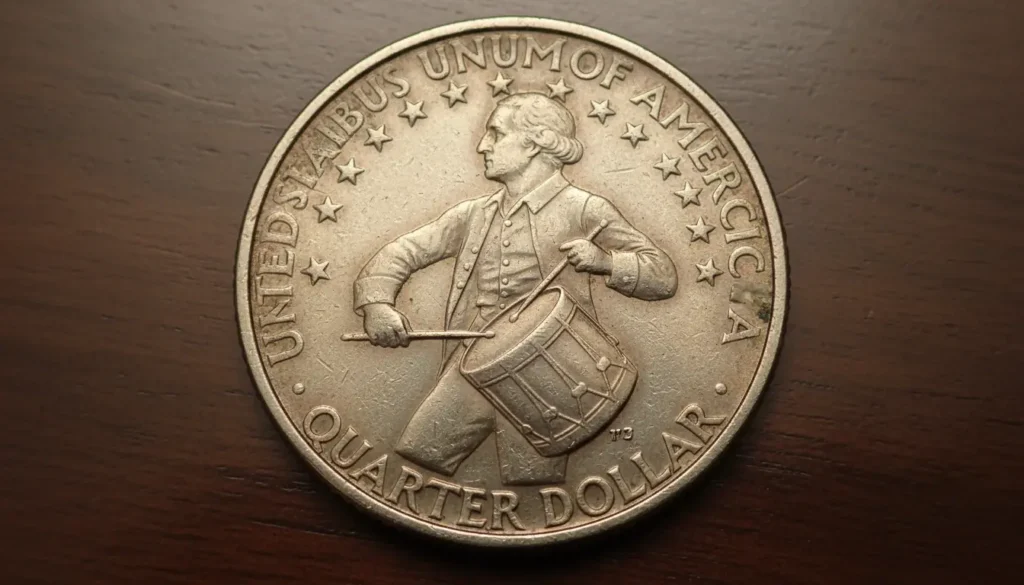
A collector found a modern quarter with a noticeably off-center strike about 30% shifted. The edges showed a wide blank on one side and a full design cut on the other, with no post-mint damage.
After weighing and comparing with standard specifications, the collector sent the coin to a grading service. The certificate identified it as a broadstrike off-center error and the coin sold above typical circulation value at auction.
Lesson: Simple physical checks and certification turned a curious coin into a verifiable collectible.
Final Checklist: Are You Holding a Valuable Coin Error?
- Does the anomaly match known mint error types (die, strike, or planchet)?
- Is the feature part of the coin’s metal flow and structure, not a scratch or corrosion?
- Have you compared it to reference examples and measured weight/diameter?
- Have you documented it with photos and sought an expert opinion or certification?
Following these steps will help you determine whether that curious coin is a novelty or a valuable error worth further investment. Careful documentation and expert verification are the keys to unlocking potential value.