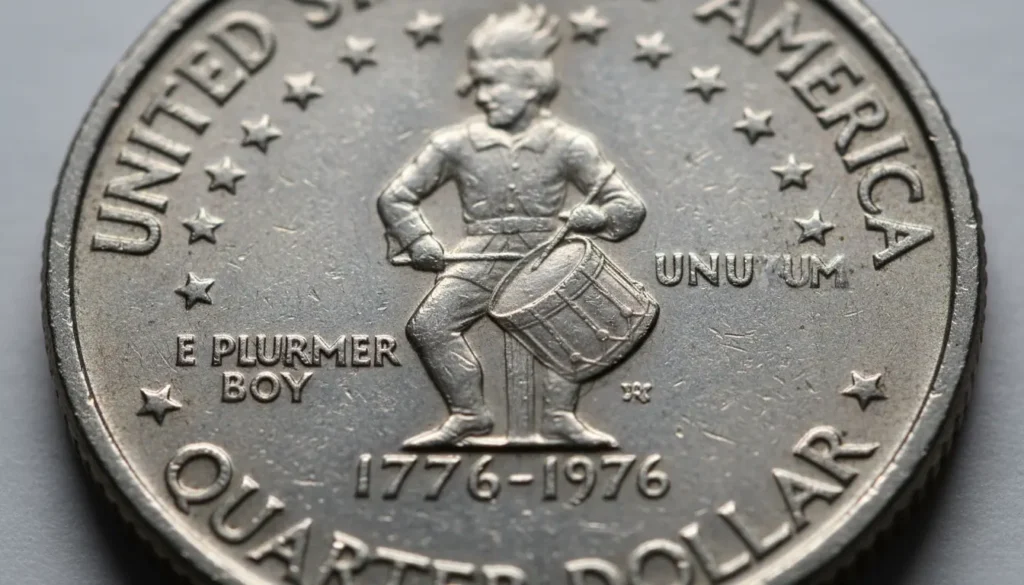
Bicentennial Quarter Rumor: What People Are Saying
Online posts and videos claim that a single Bicentennial quarter could be worth $2.5 billion. The stories often show a worn 1976 quarter and assert it is a secret rarity worth an impossible sum.
This article explains how coin values are actually determined, assesses the specific Bicentennial quarter claim, and gives practical steps to verify and sell a potentially valuable coin.
How Coin Values Are Determined
Coins gain value from a few clear factors: rarity, condition, demand, provenance, and documented errors. Professional graders and auction houses use these criteria when pricing specific coins.
Common currency with large mintages and no unusual errors rarely reaches very high values. Large price claims should prompt careful verification, not immediate excitement.
Key Factors That Affect Value
- Rarity: How many were made and how many survive in high grade.
- Condition: Grading scales (e.g., MS, PF) dramatically change price.
- Errors and Varieties: Unique minting mistakes can increase value.
- Provenance: Clear ownership and documentation raise buyer confidence.
- Demand: Collector interest drives auction prices.
Why the $2.5 Billion Bicentennial Quarter Claim Is Implausible
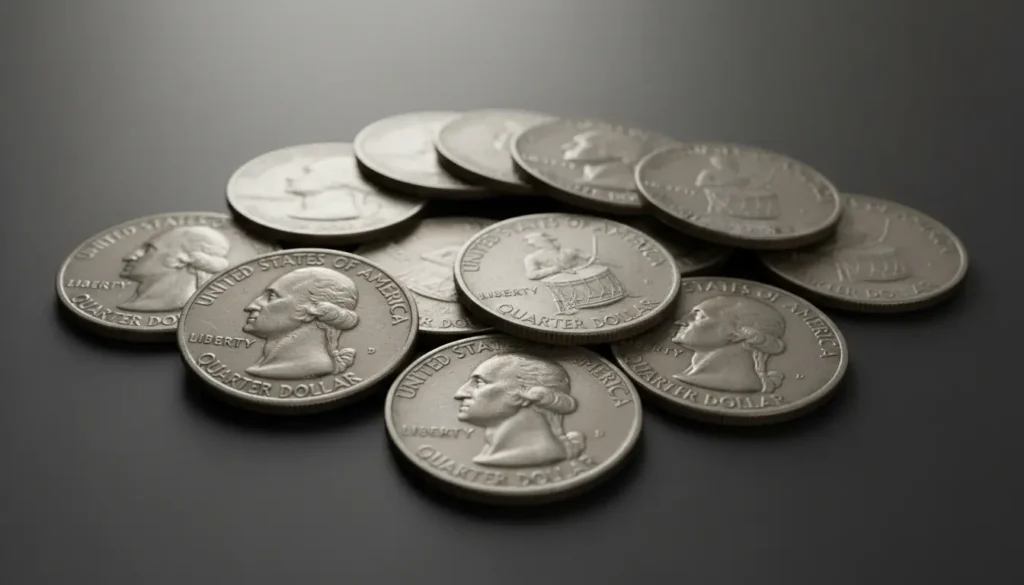
The Bicentennial quarter (dated 1776–1976) was produced in very high quantities for general circulation and for proof sets. That large mintage makes the vast majority of these quarters common.
A single quarter reaching billions of dollars would require unique, verifiable characteristics and an extraordinary collector or institutional buyer. No documented, credible auction or grading house has authenticated a Bicentennial quarter at or near that value.
Red Flags in Viral Coin Claims
- No documentation from reputable graders like PCGS or NGC.
- Vague provenance or anonymous sellers making grand claims.
- Sensational headlines without auction records or certificates.
- Requests to pay fees up front to claim the prize.
How to Verify a Bicentennial Quarter
If someone claims you have an extremely valuable Bicentennial quarter, follow a methodical verification process. Don’t trust social media posts alone.
Step-by-Step Verification
- Examine the coin closely for obvious signs of alteration or cleaning. Cleaning often reduces value.
- Compare the coin to reference photos from trusted numismatic sources and auction records.
- Submit the coin to a recognized third-party grading service (PCGS or NGC) for authentication and grading.
- If the coin is authenticated, ask for written provenance and request price opinions from established auction houses.
- Avoid private deals with unvetted buyers. Use escrow services or full-service auction houses for high-value sales.
Practical Tips for Sellers and Collectors
Even if your coin has some value, realistic expectations are essential. Most circulated Bicentennial quarters are worth face value or modest premiums to collectors.
Follow these practical tips to get a fair outcome:
- Use professional grading before seeking high-profile sales.
- Collect photos and any history about how the coin was acquired.
- Get multiple independent valuations before agreeing to sell.
- Watch for scams that demand upfront fees or private transfer requests.
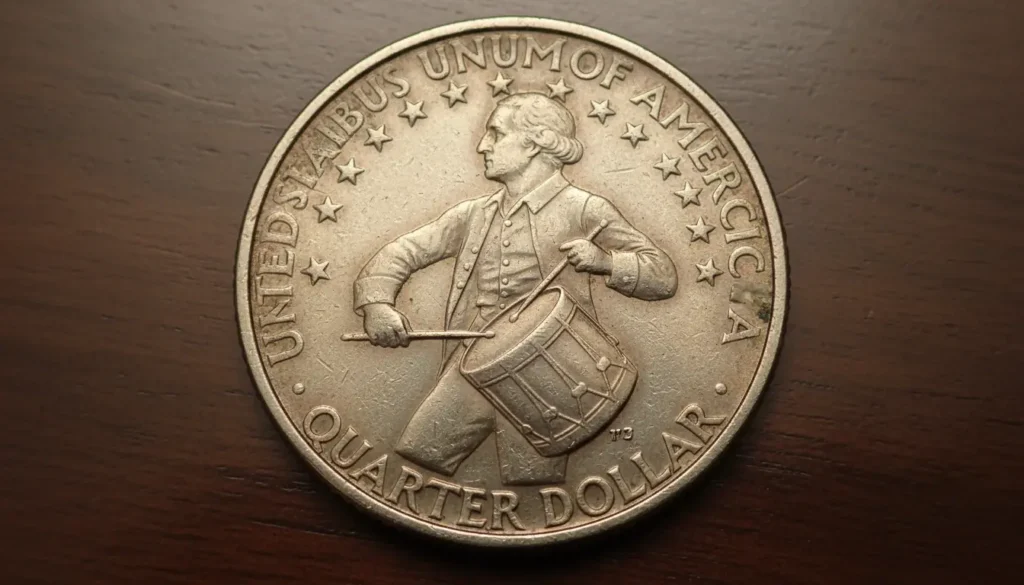
The Bicentennial quarter design featuring a Colonial drummer was commissioned for 1976 and struck to commemorate the United States Bicentennial. Many coins were also produced in proof sets, which are typically more collectible than circulated pieces.
Case Study: How an Error Coin Turned Into Value
A small regional collector found a Bicentennial quarter with an unusual doubling on the lettering. They did not accept an online appraisal. Instead, they submitted the coin to a third-party grader and then consigned it to a reputable auction house.
The authenticated error was sold to a specialist collector at auction for a price well above face value, but still within typical error-coin markets—demonstrating that verified errors yield real value, though rarely astronomical sums.
When to Call an Expert
Contact a professional if the coin appears to have an unusual mint error, extreme condition (uncirculated or proof), or if an experienced numismatist has suggested high rarity. Experts can help document provenance and connect you to appropriate buyers.
Reputable paths include certified grading, auction consignment, and consultation with local coin clubs and dealers who have verifiable track records.
Final Verdict on the $2.5 Billion Claim
The viral claim that a Bicentennial quarter is worth $2.5 billion is not supported by numismatic standards or by documented auction records. While rare errors and exceptional specimens can be valuable, they do not reach implausible, single-coin billions in documented sales.
Use careful verification, trusted graders, and reputable auction channels to assess any potentially valuable coin. That is the reliable route to real value, not social media hype.
If you think you own a rare Bicentennial quarter, start with a professional authentication. That step separates legitimate value from rumor and keeps you safe from common scams.