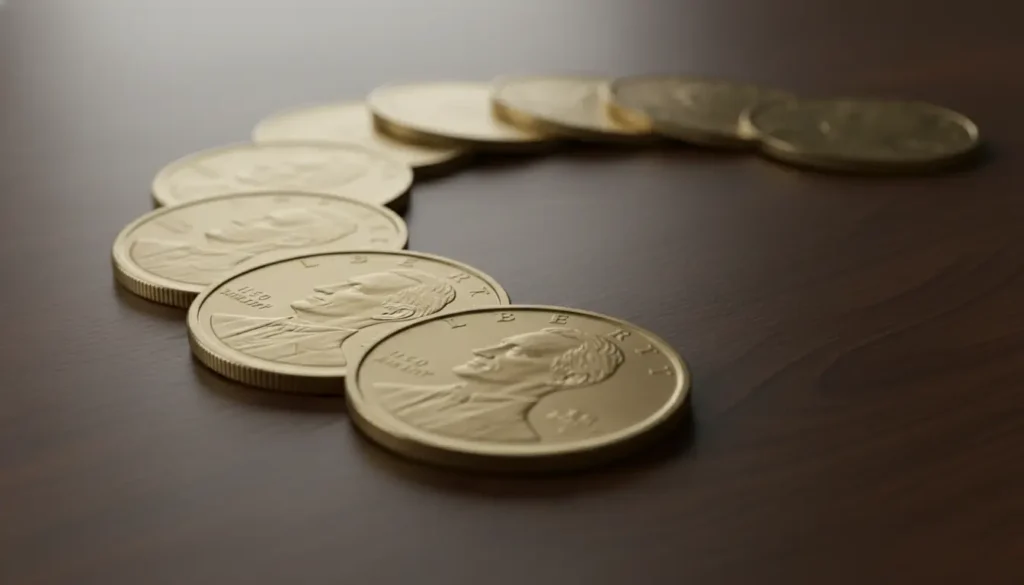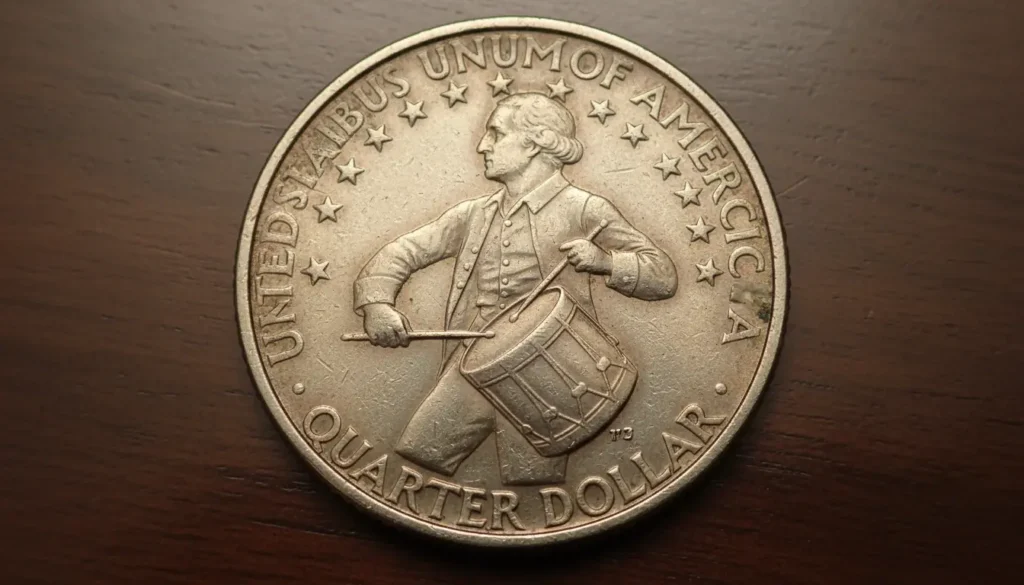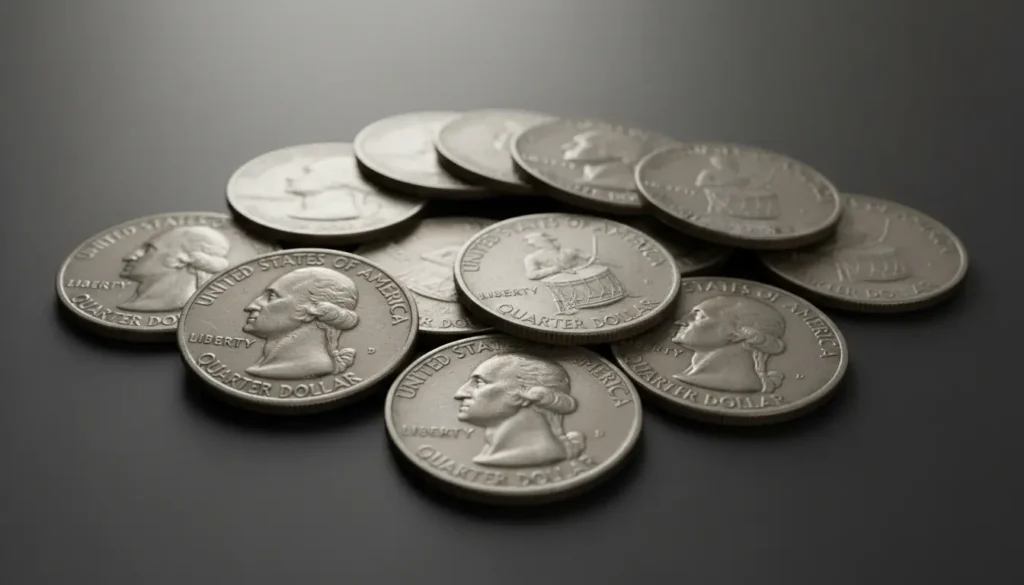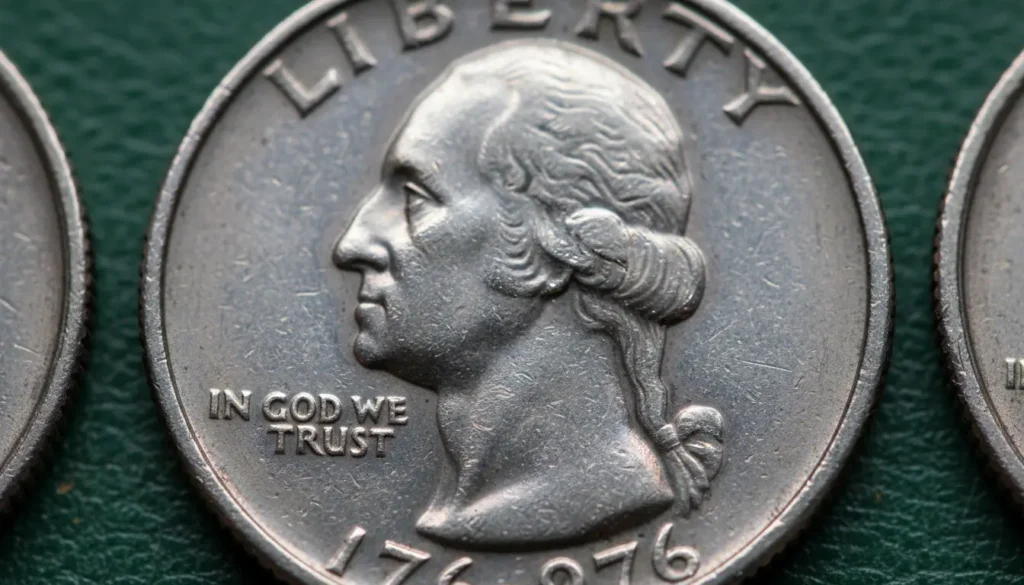
The 1976 Drummer Boy quarter — the Bicentennial quarter showing a colonial drummer — has been the subject of viral claims about extreme values. While some online posts say a single coin is worth up to $5.1 million, real value depends on rarity, condition, and authentication. This guide explains how to check a 1976 Drummer Boy quarter and what steps to take if you think you found a valuable coin.
What is the 1976 Drummer Boy Quarter?
The 1976 quarter was issued to celebrate the United States Bicentennial. It features a dual date 1776–1976 on the obverse and a drummer design on the reverse by Jack L. Ahr.
Most 1976 quarters are common and were produced in massive quantities for circulation. Special proof and silver-clad sets were also made, which can be worth more than face value, but typical circulated examples are still usually worth 25 cents to a few dollars unless they have verified, rare errors.
Why the $5.1 Million Claim?
Extreme price claims almost always come from unverified stories, social posts, or misinterpreted auction results. A coin reaching a seven-figure price would need documented rarity, flawless provenance, and certification from a top grading service like PCGS or NGC.
Before believing a headline, verify whether an actual auction record or third-party certification supports the claim. Many sensational posts recycle the same unproven claim without evidence.
Common reasons a coin might gain extreme value
- Genuine mint error that is extremely rare (for example, off-metal strikes or die breaks of an unprecedented type).
- Unique pattern or proof piece with clear provenance from the mint or a private collection.
- Misattributed auction results or fraudulent listings inflating prices.
How to Check Your 1976 Drummer Boy Quarter
Follow these practical steps to assess whether your coin could be valuable.
1. Visual inspection
Look for obvious errors: doubling, off-center strikes, clipped planchets, or wrong metal. Use a magnifying glass and good light.
Check the date: all Bicentennial quarters are marked 1776–1976, and the drummer design is on the reverse.
2. Measure and weigh
Standard clad quarters weigh about 5.67 grams and measure 24.3 mm in diameter. A significant deviation can indicate an off-metal error or a counterfeit.
3. Check for mintmarks and varieties
Mintmarks (D, S, or none) appear on the coin and affect scarcity in specific conditions. Note whether your coin came from circulation, a proof set, or special packaging.
4. Look for proof or silver examples
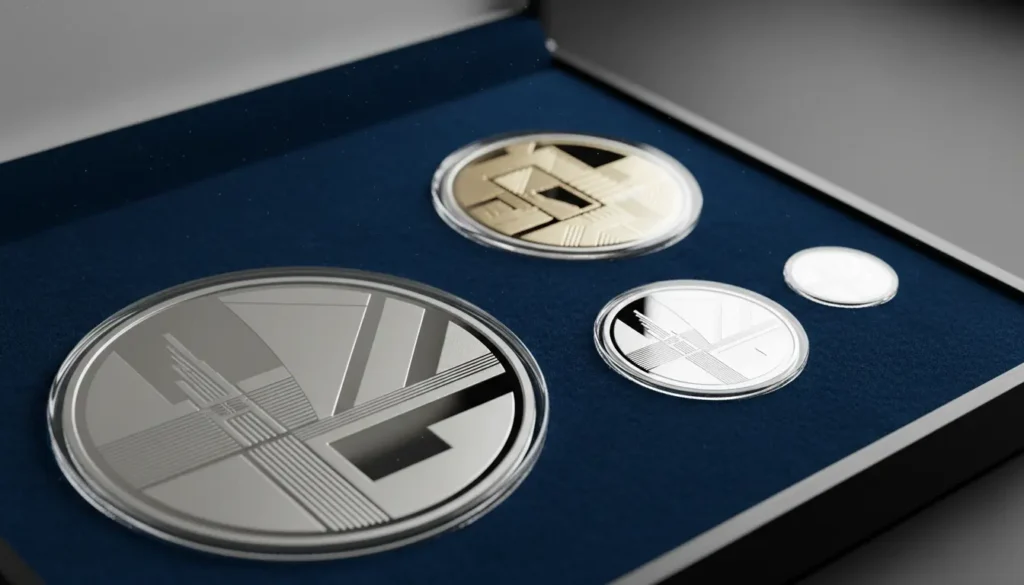
Some 1976 quarters appear in silver-clad proof sets (40% silver) and these are sold to collectors. Those are more valuable than standard circulation strikes, but still rarely reach six or seven figures.
5. Photograph and document
Take clear photos of both sides and any anomalies. Record where and how you found the coin. Good documentation helps graders and buyers.
Authentication and Grading
If you believe your coin has an extraordinary error or condition, submit it to a reputable third-party grading service such as PCGS or NGC. Grading provides a professional opinion and encapsulation that buyers trust.
Expect turnaround times and fees, and use insured shipping. A certified grade is often essential to realize top dollar at auction.
How Much Is a Realistic 1976 Drummer Boy Quarter Worth?
Typical values:
- Circulated common quarter: face value to a few dollars.
- High-grade uncirculated or proof: five to low four-figure range in rare conditions.
- Verified, truly unique errors with provenance: can reach high five or six figures, but seven-figure sales are extremely rare and require extraordinary proof.
Always look for auction records or price guides from PCGS/NGC for comparable sales before forming expectations.
The 1976 Bicentennial quarter was designed by Jack L. Ahr and was struck in 1975 and 1976 with the dual date 1776–1976. Special proof silver-clad sets were made and are separately collectible.
How to Sell or Get an Appraisal
Start locally with a reputable coin dealer or a certified appraiser. Get multiple opinions before sending a coin to auction.
If a coin is graded and authenticated, consider selling through a major auction house specializing in coins. Auction houses provide provenance and reach serious collectors.
Checklist before selling
- Clear photos and description
- Any prior grading or certificates
- Documentation of discovery and chain of custody
- Multiple quotes from dealers or auction houses
Real-World Example
Case study: A collector found a 1976 drummer design quarter with an unusual off-center strike. After photographing the coin and consulting local numismatists, the collector submitted the piece to NGC for review.
NGC confirmed an off-center error and graded the coin as an uncirculated error strike. The coin was later sold at a specialist auction, achieving a five-figure price because of its clear error and documented provenance. This shows the steps that can turn a surprising find into a collectible sale: document, authenticate, and market to the right buyers.
Final Practical Steps
If you find a 1976 Drummer Boy quarter in your change, don’t assume it’s worth millions. Use these steps:
- Inspect closely for errors or unusual features.
- Weigh and measure to check composition.
- Photograph and document your find.
- Seek multiple opinions and consider third-party grading.
- Use reputable auction houses or dealers for sales.
Careful verification and documentation are the key actions that separate a circulated curiosity from a legitimate high-value coin. If you think you have a rare piece, take measured steps to authenticate it before sharing online or responding to sensational offers.