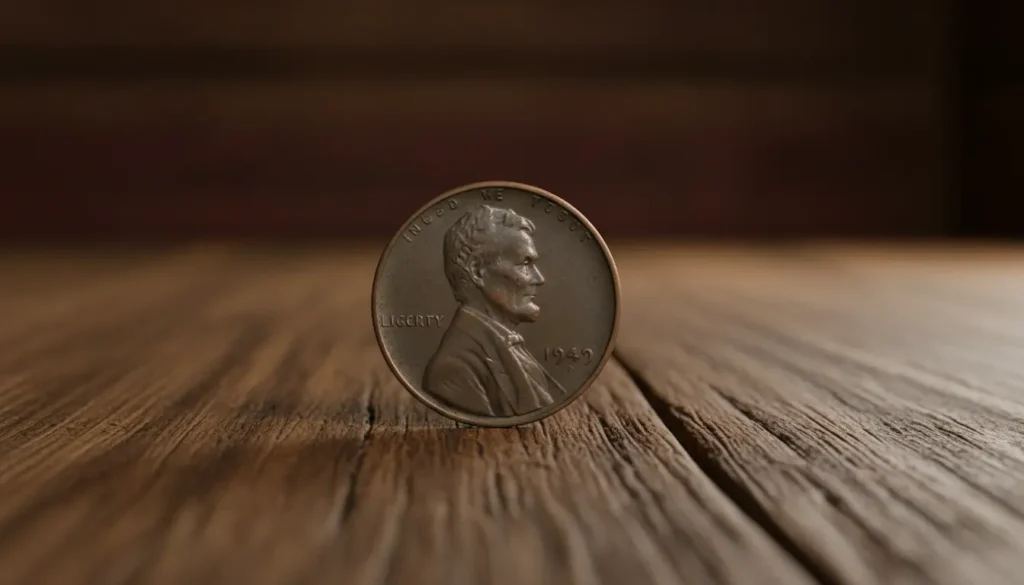
Why the 1943 copper penny is so surprising
In 1943 most U.S. cents were struck on zinc-coated steel because copper was needed for World War II. A small number of 1943 Lincoln cents were mistakenly struck on bronze or copper planchets meant for 1942 production.
Those copper 1943 pennies are extremely rare and can command prices in the millions when fully authenticated and graded. Knowing how to recognize one can be useful if you handle large numbers of old coins.
How the 1943 copper penny error happened
The mint switched metals in early 1943 to conserve copper. Most planchets that year were steel with a zinc coating, giving them a silver color.
Errors occurred when leftover bronze planchets were accidentally fed into presses with 1943 dies, producing a copper-colored penny with the 1943 date. These are known as 1943 bronze or copper cents.
Key technical points about the error
- Material difference: genuine copper 1943 cents are bronze (95% copper) or copper alloy, not steel.
- Weight: copper cents weigh about 3.11 grams, steel cents weigh about 2.7 grams.
- Color and toning: copper shows brown, red, or reddish-brown toning; steel cents are silver-gray and may show rust.
How to spot a possible 1943 copper penny
Start with simple visual checks and light tests. A quick look can separate likely candidates from regular steel cents.
Follow these practical checks before assuming you found a million-dollar coin:
- Color: Look for a copper or bronze tone, not silver-gray.
- Magnet test: Steel cents are magnetic; a true copper cent is not. Use a small magnet and avoid strong force on worn coins.
- Weight: If you have a precise scale, compare the weight to 3.11 grams for copper.
- Edge and die traits: Examine the rim and lettering. Authentic 1943 copper cents were struck on 1943 dies and show normal die features for that year.
What to do if you think you found a 1943 copper penny
Do not clean or polish the coin. Cleaning can destroy collector value and damage patina used in authentication.
Take clear photos of both sides and note where and how you acquired the coin. These details help experts and graders assess provenance.
Steps to authenticate and grade
- Pre-screen: Use magnet and weight tests to rule out steel cents and common fakes.
- Photograph: Capture high-resolution images under good light showing obverse and reverse.
- Professional grading: Send the coin to a respected grading service such as PCGS or NGC for authentication and grading.
- Provenance: Gather any documentation or chain-of-custody that supports where the coin came from.
Value range and market reality for the 1943 copper penny
Fully authenticated 1943 copper cents can sell for seven figures at auction or private sale. Prices depend heavily on grade, provenance, and buyer demand.
Smaller or unverified examples are worth far less, sometimes only a few thousand dollars if they cannot be authenticated as true bronze planchets struck in 1943.
Real-world example: a reported high-value sale
A widely reported sale involved a 1943 copper Lincoln cent that reached an eight-figure interest level in the marketplace. That transaction highlighted key factors buyers consider: clear authentication, high grade, and trustworthy provenance.
This case shows that authenticated examples can attract serious collectors and dealers, but unverified finds usually require grading before they gain market value.
The U.S. Mint produced nearly all cents in 1943 on zinc-coated steel to save copper for the war. This makes copper 1943 cents one of the most famous mint errors among collectors.
Common fakes and how to avoid them
Some counterfeiters try to alter the appearance of steel 1943 cents to mimic copper by heat treating, plating, or chemical processes.
To avoid scams:
- Never buy sight unseen from unknown sellers without documentation.
- Insist on professional grading for high-value coins.
- Ask for return policies and third-party authentication options.
Practical tips for collectors and the public
If you hunt pocket change, check any silver-looking 1943 cents for magnetism rather than assuming they are steel.
If you run a business handling many coins, consider periodic checks of old coin inventories and consult a numismatist for evaluation.
Summary checklist
- Check color and magnetism first.
- Weigh the coin if possible.
- Do not clean the coin.
- Document and photograph the find.
- Send the coin to a reputable grading service for authentication.
Final practical advice
Most 1943 cents you encounter are steel and worth a small face or collector value. But if you do find a copper-colored 1943 penny, follow authentication steps and consult professionals.
Proper handling, documentation, and grading are essential to protect potential value and avoid costly mistakes.