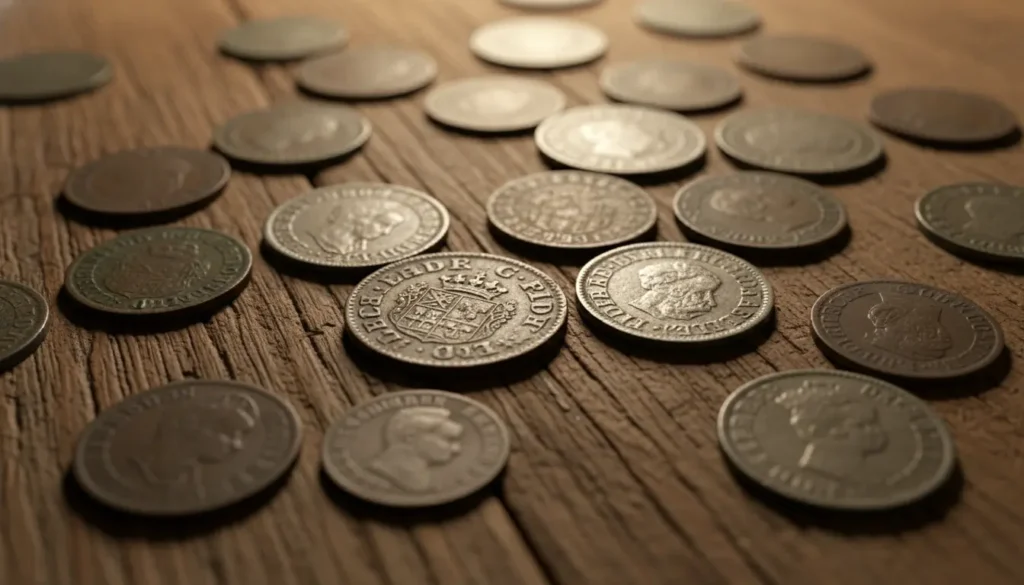
Many collectors assume rarity only applies to old or clearly valuable coins. In reality, ordinary coins in circulation sometimes hold rare varieties, mint errors, or unusual dies that make them valuable. This guide explains how to spot those rarities and what to do if you find one.
Common Coins That Are Actually Rare: How to Spot Them
Rarity often comes from mistakes at the mint or subtle die differences that are easy to miss. Look for unusual doubling, mismatched metal, strange lettering, or added features not present on typical examples.
Use a loupe at 5x to 10x magnification and good lighting to inspect coins. Compare suspect coins to reference photos from reliable sources before assuming value.
Key signs to check
- Doubling on letters, dates, or portraits (doubled die).
- Unusual color or weight (wrong planchet metal).
- Extra devices like leaves, letters, or mint marks where they shouldn’t be.
- Die cracks, chips, or repunched mint marks showing raised lines.
Examples of Common Coins That Are Actually Rare
Below are well-documented examples that appear in everyday collections but can be very valuable when genuine.
1943 Bronze Lincoln Cent (Planchet Error)
Most 1943 cents are steel due to wartime copper needs. A small number were mistakenly struck on bronze planchets made for other years. These bronze 1943 cents are extremely rare and highly sought after.
What to look for: a full-brown copper color and the typical Lincoln cent weight and edge, unlike the silver-gray steel 1943 cents.
1955 Doubled-Die Lincoln Cent
The 1955 doubled-die obverse produces strong doubling on the date and the word LIBERTY. It’s one of the most famous modern doubled dies and is much more valuable than a regular 1955 cent.
What to look for: clear, dramatic doubling on the date and the lettering above Lincoln’s shoulder and forehead.
1969-S Doubled-Die Lincoln Cent
Another rare doubled-die, the 1969-S DDO is scarce in any grade. Certified examples have sold for significant sums at auction.
What to look for: doubled letters and date with a distinct offset; often confirmed by professional grading services.
2004-D Wisconsin Quarter Extra Leaf Varieties
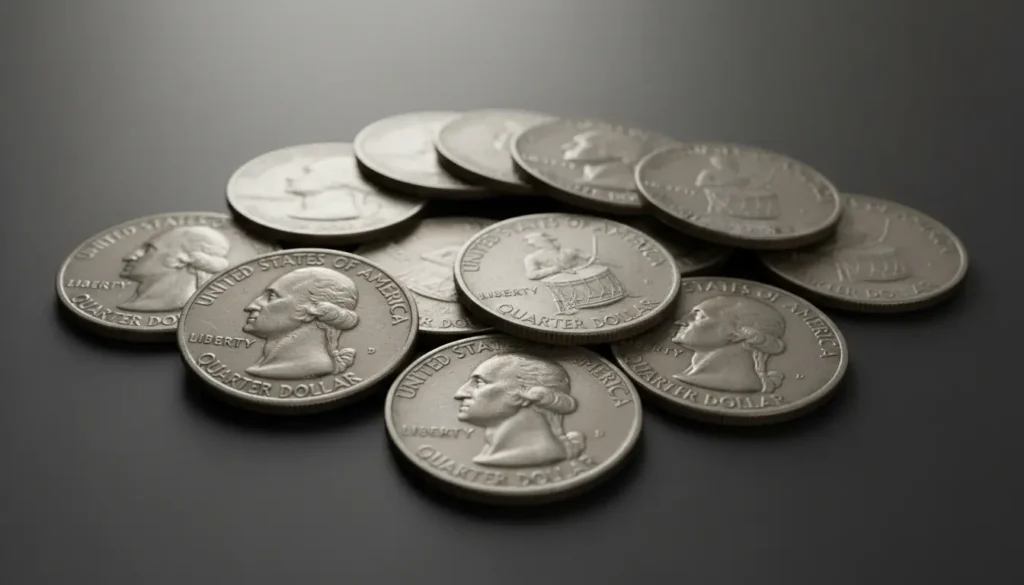
The 2004-D Wisconsin state quarter has two recognized varieties called Extra Leaf High and Extra Leaf Low. These are subtle die modifications near the corn stalk and can fetch premiums among collectors.
What to look for: a tiny extra leaf shape on the right side of the ear of corn. Compare with reference photos to confirm.
Why Ordinary Collections Hide Value
Many valuable varieties are not obvious to casual observers. Estate jars, drawer finds, and circulated collections often include error coins because collectors discarded or missed them decades ago.
Because identification can be technical, many rare examples remain mixed with common coins until examined by an expert or a grading service.
A few 1943 bronze Lincoln cents and 1955 doubled-die cents were discovered in ordinary coin collections and later sold for prices far above face value. Always inspect older cents closely.
What To Do If You Find a Possible Rarity
Take deliberate, careful steps to avoid damaging or undervaluing the coin. First, stop handling it by the face—hold by the rim and use cotton gloves if possible.
Second, document the coin with clear photos from multiple angles under good lighting. Note weight and diameter with accurate tools if available.
Verification and Grading
- Compare your coin to reference images from reputable numismatic sites and auction archives.
- For high-value suspects, submit to a professional grading service (PCGS, NGC) for authentication and grading.
- Local coin dealers can offer quick opinions, but a third-party grading service provides market confidence.
Real-World Case Study: A Jar Find That Paid Off
Case: A seller emptied a family change jar and found a worn 1955 Lincoln cent that looked ordinary. After photographing the coin and comparing it to reference images, the seller suspected a doubled-die.
The coin was sent to a reputable grading service and verified as a 1955 doubled-die obverse. It later sold at auction for a five-figure price, far exceeding the seller’s expectations.
Lesson: Simple documentation and a grading submission can unlock real value from what looks like common pocket change.
Pricing and Market Tips
Value depends on rarity and condition. A verified error or rare variety in high grade can be worth hundreds to hundreds of thousands of dollars.
Smaller sellers should avoid quick local sales for high-dollar coins. Use graded certification and reputable auction houses or dealers who specialize in varieties and errors.
Quick checklist before selling
- Document condition and provenance if available.
- Consider professional grading for high-value pieces.
- Get multiple market quotes and check recent auction results for similar coins.
Coins that look common at first glance can hide important varieties and errors. Careful inspection, comparison with references, and professional verification are the best ways to discover whether a familiar coin is actually rare.