How to Store Valuable Coins Safely: Basic Principles
Storing valuable coins safely means protecting them from physical damage, chemical changes, and theft. Focus on stable environment, non-reactive materials, and proven security measures.
These principles reduce the risk of toning, scratches, and corrosion while keeping your collection accessible and insured.
Choose the Right Storage Materials
Use holders and containers made from inert materials. Avoid PVC, which can release acids that damage coin surfaces over time.
Safe choices include Mylar flips, archival-quality coin envelopes, inert plastic capsules, and acid-free albums. For very high-value pieces, capsules and sealed slabs provide the best physical protection.
Recommended materials
- Hard plastic capsules (archival-grade)
- Mylar flips or archival coin envelopes
- Acid-free boxes and albums
- Silica gel packets to control humidity
Control Environment: Temperature and Humidity
Coins are sensitive to humidity and rapid temperature changes. High humidity accelerates corrosion, especially on silver and copper alloys.
Store coins in a room with steady temperature and relative humidity around 35–50%. Use a hygrometer to monitor conditions and silica gel packets to reduce moisture in enclosed containers.
Practical tips for climate control
- Avoid basements and attics where humidity and temperature fluctuate.
- Use a small dehumidifier for poorly ventilated spaces.
- Replace silica gel periodically and use packets in boxes and safes.
Prevent Chemical Damage and Physical Wear
Never clean valuable coins with abrasive tools or household cleaners. Cleaning can remove patina, lower grade, and reduce market value.
If you suspect contamination, consult a professional conservator or reputable dealer before attempting any cleaning.
Handling best practices
- Handle coins by the edges to avoid fingerprints.
- Wear lint-free cotton or nitrile gloves when examining high-value items.
- Work over a soft, clean surface to prevent accidental drops.
Security: Protect Against Theft
Storage security is as important as environmental control. Small items like coins are vulnerable to theft because they are compact and easy to conceal.
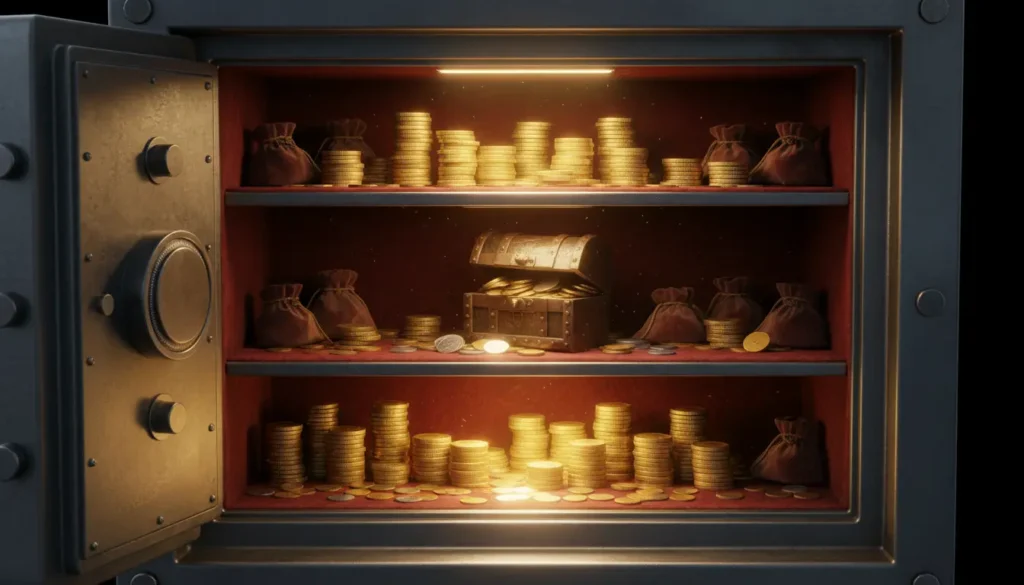
Consider layered security: a quality home safe combined with an alarm, and for the highest values, a bank safe deposit box or professional vault services.
Security checklist
- Invest in a fire-rated, boltable safe with interior humidity control.
- Keep an inventory with photos and serial numbers when available.
- Use off-site storage for the most valuable pieces.
Packing, Labeling, and Inventory
Organized packing and accurate records make insurance claims simpler and help manage provenance. Label every holder with date of acquisition, grade, and provenance notes.
Maintain a digital inventory with high-resolution photos, purchase receipts, and any certification papers. Store backups of digital files off-site or in encrypted cloud storage.
Insurance and Documentation
Insurance coverage is essential for valuable coins. Regular homeowner policy limits may not cover collectibles adequately.
Obtain a separate floater policy for coins or add a collectibles endorsement. Provide insurers with an up-to-date inventory and documentation to support valuations.
Silver coins can develop tarnish in just a few days if exposed to sulfur compounds in the air. Storing them in airtight capsules with silica gel greatly slows this process.
Case Study: A Small Collector’s Safe Upgrade
Maria, a hobbyist collector, kept a mixed set of silver and gold coins in cardboard boxes in a closet. After discovering mild tarnish and losing a low-value coin to a misplaced move, she upgraded to archival capsules and a small home safe.
She added silica gel, created a photo inventory, and moved her top five coins to a bank safe deposit box. The result was easier management, lower risk of damage, and simplified insurance documentation.
When to Use Professional Services
Consider professional vaulting for large or extremely valuable collections. Vault services offer climate control, high security, and discreet storage options.
Appraisals from accredited numismatic firms can support insurance values and help with estate planning.
Common Mistakes to Avoid
- Storing coins in PVC flips or regular plastic sleeves.
- Cleaning coins with chemicals or polishing compounds.
- Keeping all high-value pieces at home without off-site backups.
Summary: Practical Steps to Store Valuable Coins Safely
Use inert holders and capsules, control humidity and temperature, and avoid cleaning. Layer security with a quality safe or professional vault, keep detailed records, and insure the collection appropriately.
Small investments in materials and security save money and protect value over decades. Regularly review storage conditions and update inventories to keep your collection safe.