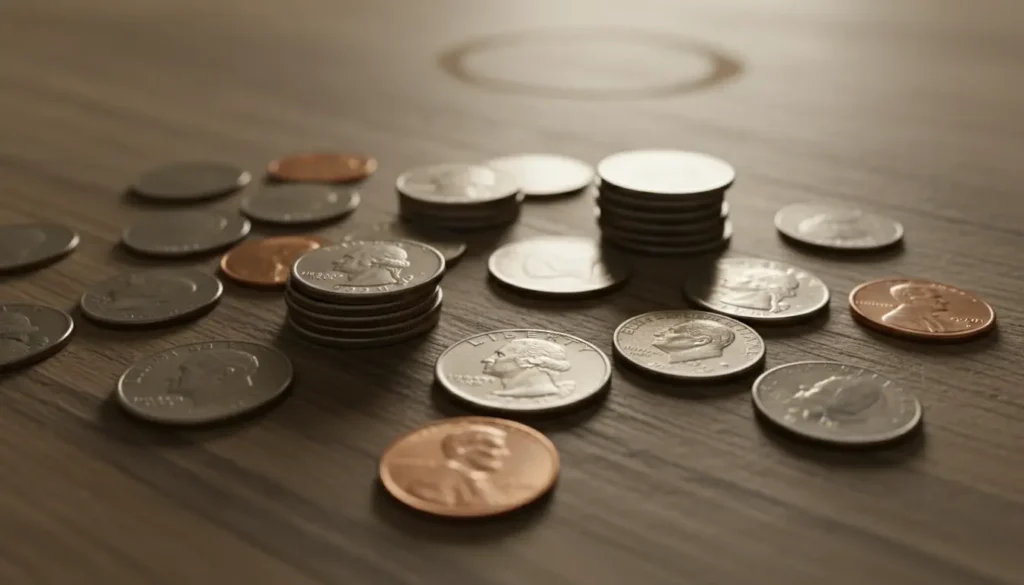
Top U.S. Coins to Find in Loose Change in 2026
Searching pockets, drawers, or a cash register can be rewarding if you know what to look for. This guide covers the best U.S. coins to find in loose change in 2026 and how to spot them quickly.
Why certain coins matter
Some coins are worth more than face value because of metal content, collectible demand, or minting errors. Knowing the common types and where to inspect them increases your chance of finding something valuable.
Silver coins to prioritize
Silver coins are the easiest high-value finds in circulation because they have intrinsic metal value. Look for the date on the face of the coin to identify silver pieces quickly.
90% silver dimes and quarters (1964 and earlier)
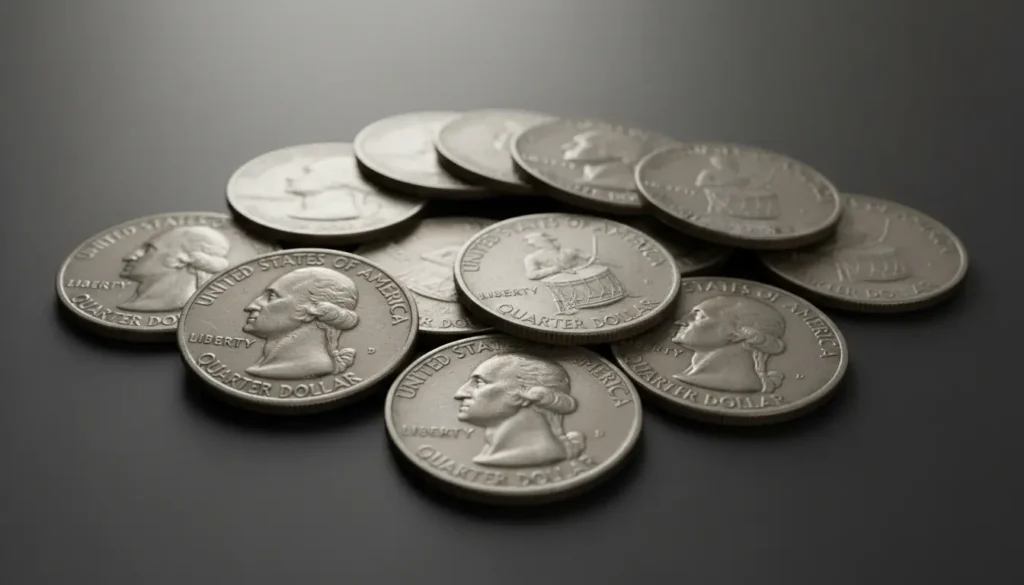
Dimes and quarters dated 1964 or earlier are 90% silver. These coins are heavier and have a distinct sound when dropped. They are commonly found mixed into older jars of change.
Half dollars with silver (1964 and 1965–1970)
Kennedy half dollars dated 1964 are 90% silver. Half dollars dated 1965–1970 are 40% silver. Both types can be worth several times face value depending on silver prices and condition.
- Check the date first — it’s the fastest test.
- Look for a slightly darker patina and sharper edge details on older silver coins.
Wheat cents and pre‑1982 copper pennies
Wheat cents (1909–1958) and pre‑1982 Lincoln cents are mostly copper and often collected for metal and numismatic value.
Wheat cents (1909–1958)
Wheat cents are easily identified by the two wheat stalks on the reverse. Common dates are modestly valuable, while key dates and rare varieties can be worth much more.
Pre‑1982 copper pennies
Pennies minted before mid‑1982 contain mostly copper and may be worth more than face value for their metal content alone. Weighing suspicious pennies or comparing color helps separate them from zinc cents.
Key date and rare collectible coins
Certain dates and mintmarks are valuable to collectors. These are less likely to turn up in loose change, but they do appear.
Examples of key dates and varieties
- 1909‑S VDB Lincoln cent (very rare and valuable if genuine)
- 1955 doubled die obverse Lincoln cent (strong doubling on the date and LIBERTY)
- 1921 Peace dollar and other older silver dollars (rare in circulation)
Even if you don’t expect to find a key date, always check dates and mintmarks. A magnifier helps reveal subtle varieties like doubled dies.
Modern coins and common errors to watch for
Modern coin errors can be valuable and are often found unexpectedly. Error types include off‑center strikes, clipped planchets, and die doubling.
Common modern varieties
- Statehood and America the Beautiful quarters that show unusual die cracks or doubled features.
- 2004 Wisconsin quarter varieties (extra leaf/extra stem) — regional but collectible.
- Lincoln cents with heavy doubling or off‑center strikes.
How to check loose change efficiently
Speed and technique matter when sorting through lots of coins. Use these practical tips to improve your odds.
- Scan for silver by date first — dimes and quarters pre‑1965 are silver. This is the fastest check.
- Look at pennies for the wheat reverse or a dull reddish color indicating copper content.
- Use a magnifier and a small LED light to inspect dates, mintmarks, and doubling.
- Weigh suspicious pennies if you have a small digital scale — copper cents are heavier than zinc.
Tools and supplies that help
Having a few simple tools makes sorting change easier and more accurate.
- 10x loupe or magnifier
- Small LED flashlight
- Digital milligram scale for checking copper pennies
- Coin sorting tray or inexpensive cardboard strips
All U.S. dimes and quarters dated 1964 or earlier are 90% silver. Even a single silver dime or quarter from that era can be worth several times face value depending on the current silver price.
Small real-world example
Case study: A grocery cashier emptied a bank deposit jar and found a 1964 quarter mixed with newer coins. She took it to a local coin shop. After a quick inspection the dealer paid a few times face value based on silver content and condition.
The example shows that common places like register drawers and tip jars are good hunting grounds for older coins and occasional finds.
Putting it into practice
Make checking loose change a short habit. Spend five to ten minutes after work, during a weekend coin jar sort, or when you handle cash at home.
- Prioritize looking for dates on dimes, quarters, and half dollars.
- Keep a small loupe and a container for potential keeps or dealer sales.
- When in doubt, photograph a suspect coin and ask a local dealer or online collector community for a quick opinion.
Final tips for coin hunters in 2026
Focus on silver, wheat cents, and obvious error coins. Learn to spot dates and mintmarks quickly and keep your tools handy. With consistent, short searches you increase your chances of finding something valuable in ordinary loose change.
Happy hunting — small habits can uncover surprising finds.